Cut in Half: A Modern Typeface for Striking Designs
Unpacking the Unique Visual Style
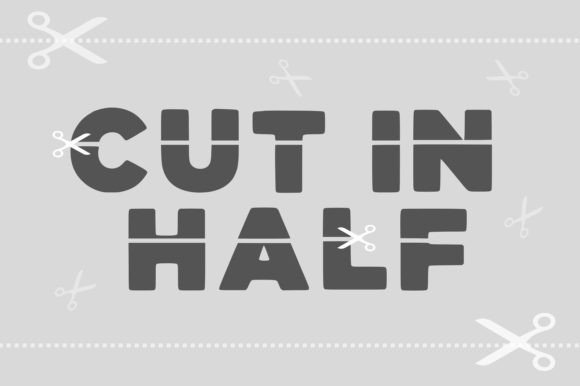
When you first encounter the Cut in Half typeface, its defining characteristic is immediately apparent: the letters are literally sliced. This isn't a subtle effect or a minor stylistic choice; it's the core concept. The designers took a bold approach, physically cutting letterforms in half and then reassembling them with a precise gap or offset. The result is a font that feels both fragmented and cohesive. Depending on the color or background you place it on, the "cut" can create a fascinating optical illusion, making the text seem to hover or shift. This contemporary design moves beyond traditional serif or sans serif structures, offering something that feels fresh, technical, and visually arresting.
The personality of the Cut in Half font is confident and modern. It doesn't whisper; it makes a clear statement. Its elegance comes from its clean lines and the intentional disruption of the classic letterform. This gives it an exotic, almost architectural appearance, perfect for projects that need to stand out in a crowded visual space. It’s a creative font that leverages a simple idea—cutting—to create complex visual interest, making it a powerful tool for designers looking to inject energy and sophistication into their work.
Where This Creative Font Truly Shines
Understanding where to deploy a font like Cut in Half is key to using it effectively. Its strength lies in headlines, logos, and short, impactful phrases where its unique character can be fully appreciated without compromising readability in body text.
- Brand Identity and Logo Design: For startups, tech companies, fashion labels, or any brand aiming for a cutting-edge image, the Cut in Half typeface can be a cornerstone of a memorable logo. Its distinctive style helps with instant recognition and sets a tone of innovation. It works exceptionally well for brands that want to appear modern, disruptive, and design-conscious.
- Editorial and Packaging Design: In magazine layouts, book covers, or product packaging, this font can create dynamic headlines that draw the eye. Imagine it on the cover of a design annual or as the title font for a boutique cosmetic brand—it immediately signals quality and contemporary taste. Its structure allows for interesting plays with color and layering in packaging mockups.
- Digital and Social Media Graphics: In the fast-scrolling world of social media, stopping power is everything. The Cut in Half font is perfect for creating bold titles on Instagram posts, YouTube thumbnails, or website hero sections. Its visual trickery can increase engagement, making users pause to read the message. As a premium font asset, it can elevate the entire aesthetic of a digital marketing campaign.
- Personal and Commercial Projects: Beyond large-scale branding, this typeface is a fantastic asset for crafters, bloggers, and small business owners. Use it for eye-catching t-shirt designs, motivational posters, event invitations, or unique merchandise. It allows creators to produce professional-looking designs without needing advanced software skills, as the font itself does the heavy lifting of the visual effect.
Practical Guidance for Using Cut in Half
Integrating a distinctive font into your projects requires some thoughtful consideration. Here’s how to approach the Cut in Half typeface to ensure it enhances, rather than overwhelms, your design.
Evaluating Fit and Readability
First, assess if the font’s personality aligns with your project’s goals. It’s ideal for conveying modernity, innovation, and style. It might be less suitable for projects requiring a traditional, conservative, or highly formal tone, like legal documents or classic literary publications. Always prioritize readability. Test the font at the size you intend to use it. Its legibility is generally good for headlines, but the cut effect can become confusing in very small text or long paragraphs. Use it for display purposes where clarity of the overall word, not individual letter anatomy, is the goal.
Mastering Font Pairing and Hierarchy
The Cut in Half font demands a complementary partner. Because it’s a strong display font, pair it with a clean, neutral sans serif or serif font for body text. A classic combination might be using Cut in Half for your H1 and H2 headings, and a font like Open Sans, Lato, or a simple serif for your body copy. This creates a clear visual hierarchy, allowing the creative font to attract attention while the supporting text remains easily readable. Review the included styles and weights of the Cut in Half family—sometimes a lighter weight or an alternate cut can provide more versatility within a single project.
Licensing and Final Checks
Before finalizing your design, ensure you have the correct commercial license for the Cut in Half font, especially if the project is for a client or will be sold. Check the font file for any additional stylistic alternates or glyphs that could add further customization. Always test your design in context: view it on different screens, in print proofs, and at various sizes to see how the cut effect interacts with your color palette and overall layout. By treating the Cut in Half typeface as a specialized design asset rather than a simple text tool, you can unlock its full potential to create truly memorable and professional work.