Fat Cat Font: Bold, Rounded Typography That Brings Joy
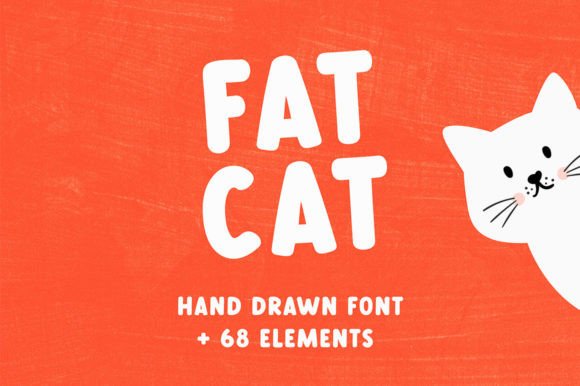
There are typefaces that whisper, and then there are typefaces that walk into the room and make everyone smile. Fat Cat belongs firmly in the second category. With its rounded corners and chubby, bold letterforms, this creative font radiates warmth, playfulness, and an infectious sense of excitement. It is the typographic equivalent of a friendly cartoon character who just wants to have a good time. For designers, marketers, and content creators seeking a display font that injects personality into their work, Fat Cat offers a distinctive voice that is hard to ignore.
Unlike the restrained elegance of a traditional serif font or the clean neutrality of a modern sans serif font, Fat Cat embraces its own identity with confidence. Each character feels intentionally rounded and weighted, creating a visual texture that is both approachable and memorable. The letters have a softness to them, almost tactile, as if you could reach out and touch their smooth, curved surfaces. This design choice makes Fat Cat particularly effective at conveying friendliness and accessibility, qualities that resonate across audiences from young children to adults who appreciate a touch of whimsy in their visual communication.
Where Fat Cat Truly Shines
The practical applications for Fat Cat extend far beyond novelty projects. This premium font works exceptionally well in contexts where you need to capture attention quickly and leave a lasting impression. Poster design is an obvious fit. Whether you are promoting a community event, a local fair, or a children's workshop, Fat Cat delivers headlines that demand to be read. The bold weight ensures visibility from a distance, while the rounded forms keep the message feeling welcoming rather than aggressive.
Game titles represent another natural home for this typeface. The gaming industry thrives on personality, and Fat Cat brings exactly that. Its playful geometry suggests fun, adventure, and entertainment without needing a single word of supporting copy. Think about mobile game interfaces, board game packaging, or even esports branding for more casual, family-friendly titles. The font sets expectations before gameplay even begins.
Editorial design also benefits from Fat Cat's charm. Magazine covers, especially those targeting lifestyle, food, or family audiences, can use this typeface to create cover lines that pop off the page. Credit titles for animated films and television shows represent another strong application. The font's personality aligns perfectly with the creative energy of motion graphics and animated storytelling.
Beyond these obvious uses, consider how Fat Cat might elevate social media graphics, YouTube thumbnails, podcast artwork, or even packaging design for products that want to project a fun, approachable brand identity. Small business owners selling handmade goods, craft supplies, or children's products will find this typeface speaks directly to their audience's expectations and preferences.
Understanding the Visual Personality
What makes Fat Cat work so well? The answer lies in its design DNA. The rounded corners eliminate the sharp edges found in many traditional typefaces, creating a visual softness that our brains naturally associate with safety and comfort. Meanwhile, the bold weight gives each letter substantial presence. This combination of softness and strength is surprisingly versatile. It communicates confidence without aggression, friendliness without weakness.
The overall proportions of Fat Cat lean toward a slightly condensed structure, which helps maintain readability even at smaller sizes. However, this is fundamentally a display typeface, meaning it performs best at larger scales where its personality can fully express itself. Attempting to set body text in Fat Cat would likely sacrifice legibility, but for headlines, logos, and short bursts of text, it excels.
The visual rhythm created by Fat Cat's consistent stroke width and generous letter spacing contributes to a sense of cohesion. Each character feels like part of the same family, which strengthens brand recognition when used consistently across multiple touchpoints. This consistency is essential for building a strong brand identity, whether you are designing a logo, creating marketing collateral, or developing a complete visual system.
Pairing Fat Cat with Other Fonts
One of the most practical considerations when working with any display font is how it interacts with supporting typefaces. Fat Cat's bold personality means it pairs best with more restrained companions. A clean sans serif font for body text creates a natural contrast that lets Fat Cat headlines command attention without overwhelming the reader. Think of typefaces like Open Sans, Lato, or Roboto as reliable partners that provide clarity and balance.
Avoid pairing Fat Cat with other highly decorative or expressive fonts. Two competing voices create visual noise rather than harmony. The goal is contrast, not competition. If Fat Cat is your headline star, let a quieter supporting cast handle the details. This approach to font pairing is a fundamental principle of modern typography that separates polished design from amateur attempts.
Practical Considerations for Your Projects
Before incorporating Fat Cat into any project, take time to evaluate fit. Does the font's playful personality align with the message you need to communicate? For a children's book cover or a birthday party invitation, the match is almost effortless. For a law firm's annual report or a luxury jewelry brand, the fit is considerably less natural. Understanding audience expectations is critical. The adults in your target demographic, whether twenty-five or fifty, will respond to visual cues that feel authentic to the context.
Testing is another essential step. Set your actual copy in Fat Cat at the sizes you plan to use. Check readability on screen and in print. Examine how the letterforms interact with your chosen color palette and imagery. A font that looks wonderful in isolation might behave differently when surrounded by other design elements. This hands-on evaluation is something no font specimen sheet can fully replicate.
Finally, confirm the commercial licensing terms before using Fat Cat in any client work or commercial product. Most premium fonts include clear licensing structures for desktop, web, and application use. Respecting these terms protects both you and your clients while supporting the designers who create these valuable design assets.
Fat Cat is more than just a fun typeface. It is a strategic design tool for anyone who wants to communicate warmth, energy, and approachability. Used thoughtfully, it transforms ordinary projects into memorable experiences that engage audiences and strengthen brand perception.