Home Font: Crafting Warmth and Authenticity into Your Designs
When a design needs to feel genuinely personal, a standard corporate typeface often falls short. That’s where a character-driven script font steps in. Home font isn’t just another handwritten style; it’s a carefully crafted tool designed to inject warmth, personality, and an artisanal touch into your creative work. Its whimsical, crafty strokes evoke the feel of handwritten notes and handcrafted goods, making it a powerful asset for projects that aim to connect on a human level.
The Visual Personality of Home
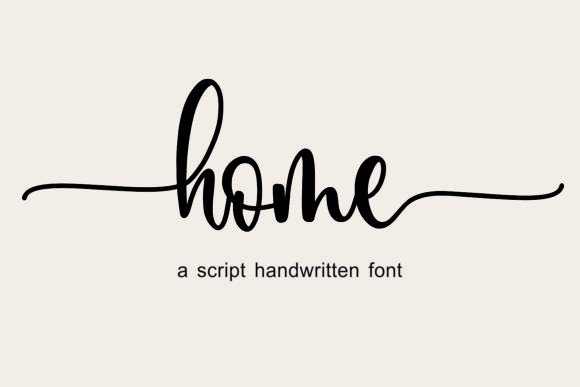
At its core, Home is a script font with a distinctly relaxed and friendly demeanor. The letterforms flow with a natural, slightly bouncy rhythm, mimicking the organic imperfections of real handwriting. This isn’t a rigid or overly polished typeface; its charm lies in its subtle variations and gentle curves. The carefully designed strokes have an artisanal quality, suggesting a pen or brush was used with care. This gives it an authentic, handmade feel that digital fonts can sometimes lack. Its overall appeal is one of approachability and creativity, making it ideal for any context where you want to feel less corporate and more connected.
Where Home Font Truly Shines
Understanding a font’s strengths is key to using it effectively. Home’s versatile nature makes it a superb creative font for a wide range of applications. Think beyond the screen; its character translates beautifully across mediums.
- Craft and DIY Projects: This is Home’s natural habitat. Use it for labels on homemade goods, patterns for embroidery or cross-stitch, templates for greeting cards, and decorations for festive occasions like Christmas or Thanksgiving. It adds that perfect, heartfelt touch to holiday projects.
- Brand Identity and Packaging: For small businesses, especially in artisanal food, boutique crafts, or personalized services, Home can be a cornerstone of your brand identity. It works beautifully on product packaging, thank-you cards, and branded stickers, reinforcing a message of care and authenticity.
- Editorial and Publishing: In editorial design, use Home for pull quotes, chapter titles, or special section headers in magazines and books. It adds a personal, conversational tone that draws readers in, especially in lifestyle, craft, or food publications.
- Digital Presence: While not for body text, Home can make web design and social media graphics pop. Use it for hero section headlines, call-to-action buttons, or Instagram story overlays to create a memorable and engaging visual hook.
Strategic Use: Beyond Just Looking Pretty
A great premium font does more than decorate; it communicates. Choosing Home influences several critical aspects of your design’s effectiveness.
Readability and Hierarchy: As a display font, Home is meant for short, impactful text. Its personality makes it perfect for establishing a clear visual hierarchy, drawing the eye to key headlines or slogans. However, its script nature means it should be used sparingly for maximum effect and paired with a highly legible sans serif font or a clean serif font for body copy.
Brand Perception and Recognition: The typeface you choose is a silent ambassador for your brand. Using Home consistently can shape how your audience perceives you—approachable, creative, and genuine. This builds recognition and trust, as the font itself becomes associated with your brand’s unique personality.
Audience Engagement: Designs that feel human and crafted tend to foster stronger engagement. The warmth of Home can make marketing materials, invitations, or blog headers feel more personal, encouraging your audience to pause and connect with the message.
Practical Guidance for Choosing and Using Home
Integrating any new design asset requires thoughtful evaluation. Here’s how to ensure Home is the right fit for your project.
- Evaluate the Project Fit: Ask yourself if the project’s tone aligns with Home’s personality. Is it a formal annual report? Probably not. Is it a bakery’s menu, a wedding invitation, or a craft tutorial blog? It’s likely a perfect match.
- Test Font Pairings: The right font pairing is crucial. Home’s decorative style pairs best with simple, stable typefaces. Try it with a geometric sans serif font like Montserrat or a classic serif font like Georgia for a balanced and professional look. The contrast allows Home to shine without overwhelming the design.
- Review the Font Package: Before purchasing, check what’s included. Does the commercial font license cover your intended use (e.g., for a client’s logo design or product packaging)? Look for additional styles, like alternate characters or ligatures, which can add more authenticity and variety to your typesetting.
- Prioritize Readability: Always test the font at the size it will be used. Ensure letter spacing is adequate and that the text remains clear, especially for important information. A beautiful font that can’t be read defeats its purpose.
In the landscape of modern typography, finding a typeface that balances distinctiveness with usability is key. Home font offers that rare combination—a strong, charming personality that enhances rather than distracts. It’s a tool for designers, marketers, and creators who understand that the right typographic choice can transform a good design into one that feels truly special and memorable. By applying it thoughtfully to your packaging design, digital content, or personal projects, you leverage its warmth to build deeper connections with your audience.