Rustic Revival: Crafting Authentic Brand Narratives with a Handcrafted Typeface
There is a distinct moment in design when you realize that modern, geometric perfection isn't always the right answer. Sometimes, a project demands warmth, texture, and a sense of history. This is where Rustic Revival steps in. It is not merely a typeface; it is a visual language that speaks to authenticity. As a premium font, it bridges the gap between the raw energy of hand-lettering and the structural integrity required for professional logo design and brand identity. If you are looking to move away from sterile, corporate aesthetics and inject some genuine character into your work, understanding the nuances of this display font is essential.
The Anatomy of Character: Visual Style and Ligatures
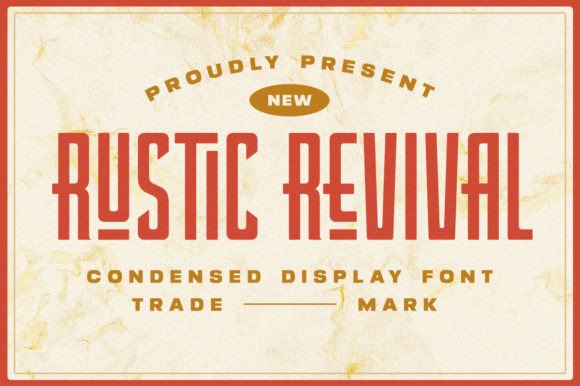
At its core, Rustic Revival functions as a robust serif font, but one that has been stripped of the stiffness often associated with traditional typography. It carries the weight and authority of a classic typeface but softens the edges with a slightly weathered, organic feel. It sits comfortably in a category that appeals to creators who want their designs to feel "lived in" rather than factory-made.
The true magic, however, lies in the details—specifically the ligatures. Ligatures are specific letter combinations designed to flow into one another, preventing visual collisions and enhancing readability. In Rustic Revival, these aren't just functional fixes; they are stylistic statements. When you type specific character pairs, the letters merge to create sweeping, elegant connections that mimic the natural flow of ink on paper. This feature transforms standard text into a visual event. It prevents the "computer-generated" look, giving the typeface a rhythm that guides the eye naturally across the page. This subtle connectivity is what helps the font stand out, turning a simple headline into an attention-grabbing focal point.
Strategic Applications: Where Rustic Revival Shines
Choosing the right creative font is about context. Rustic Revival is versatile, but it excels in environments where personality and storytelling are paramount. It is a tool for designers, entrepreneurs, and marketers who need to establish an immediate emotional connection with their audience.
Branding and Identity
For small business owners and startups in the lifestyle, artisan, or outdoor sectors, this font is a game-changer. It is incredibly effective for logo design in industries like craft brewing, boutique bakeries, sustainable fashion, or woodworking. The font communicates quality and care without saying a word. Because it is a commercial font with broad application rights, you can confidently build a full brand identity around it—from the primary logo to the sub-marks and watermarking.
Editorial and Publishing
In editorial design, particularly for bloggers, publishers, and content creators, Rustic Revival serves as a powerful anchor for headers and pull quotes. When used in packaging design, it commands shelf presence. The visual weight of the font ensures that product names are legible from a distance, while the stylistic details reward closer inspection. It pairs exceptionally well with clean, geometric sans serif fonts for body copy, creating a visual hierarchy that is both functional and aesthetically pleasing.
Digital and Social Media
The digital space is crowded. To create social media graphics that stop the scroll, you need web design elements that feel human. Rustic Revival brings a tactile quality to the flat screen. It is perfect for eye-catching posters and digital ads where you need to convey a message quickly. The font’s distinct personality ensures high brand recognition, helping your content stand out in a feed dominated by generic sans-serifs.
Technical Mastery: PUA Encoding and Accessibility
One of the most practical aspects of Rustic Revival is its PUA (Private Use Areas) encoding. For the uninitiated, this is a technical feature that ensures all the unique glyphs, swashes, and ligatures are accessible regardless of the software you are using. Whether you are working in Adobe Illustrator, Photoshop, InDesign, or even basic text editors, you have full access to the font’s extensive character set. This removes technical barriers, allowing crafters and hobbyists to use the font in cutting machines like Cricut or Silhouette without hassle. It ensures that the design assets you purchased are fully functional tools, not just partial files.
Practical Guidance for Implementation
Integrating a premium font into your workflow requires more than just installation. To get the most out of Rustic Revival, consider these practical steps:
- Evaluate the Fit: Before committing, test the font against your project's tone. Does the "rustic" aesthetic align with your message? It is perfect for brands valuing tradition and craftsmanship, but might clash with ultra-minimalist, futuristic tech brands.
- Master Font Pairing: Rustic Revival is a dominant personality. It needs a partner that complements rather than competes. Pair it with a clean sans serif font like Montserrat or Lato for body text. The contrast between the organic, detailed headers and the clean, modern body text creates a balanced visual hierarchy.
- Test for Readability: As a display font, it is optimized for headlines. Avoid using it for long blocks of small body text, where the intricate details might muddy the reading experience. Use it where it can breathe—at larger point sizes on posters, banners, and headers.
- Leverage Ligatures: Don't just type and go. Open your design software's glyph panel to see the available alternates. Swapping out a standard "t" for a stylistic alternate can change the entire vibe of a logo.
The Verdict on Versatility
Rustic Revival is more than just a handwritten font alternative; it is a sophisticated tool for modern typography. It respects the rules of legibility while breaking the rules of sterile design. Whether you are a marketer crafting a campaign, a designer building a brand, or a crafter making personalized gifts, this typeface offers the flexibility and character needed to elevate your work. It proves that you don't need to shout to be heard—sometimes, you just need the right texture and tone to leave a lasting impression.