Designing with Moonic: A Vintage Serif for Modern Luxury
There’s a certain weight to a well-chosen typeface. It doesn’t just spell out words; it establishes a mood, a promise, and a level of craftsmanship before a single sentence is read. In a landscape saturated with clean, geometric sans serifs, choosing a display font with character can feel like a bold move. But that’s often where the magic happens. The right premium font doesn’t just decorate a page—it defines the entire aesthetic. This is where a typeface like Moonic enters the conversation, offering a bridge between vintage elegance and contemporary design needs.
The Anatomy of Elegance: What Defines Moonic’s Style?
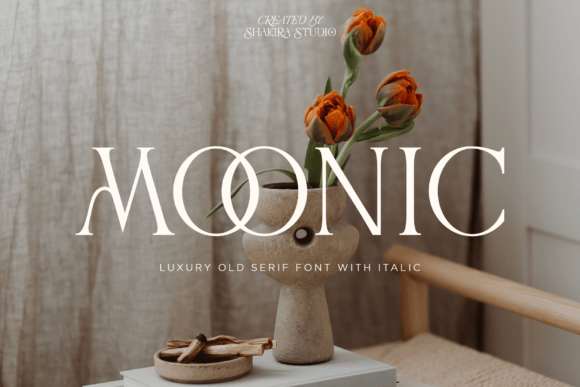
At its core, Moonic is a luxury serif font, but that label only scratches the surface. Its personality is forged in the details. You’ll notice the contrasting lines immediately: the thick strokes that command attention, paired with the delicate, hairline thin strokes that give it a sense of refinement. This isn’t a static, rigid typeface. The curved terminals—the ends of the strokes on letters like ‘c’ or ‘e’—are not blunt or squared off. They sweep gracefully, adding a subtle, organic flow that feels both classic and alive.
This combination gives Moonic its distinctive vintage flair. It evokes the feeling of hand-lettered signage from a bygone era, or the meticulous typography found on antique book spines and luxury goods packaging. Yet, its construction is clean and purposeful, making it perfectly suited for modern typography applications. It’s a creative font that carries a sense of heritage and intentionality, making it ideal for projects that aim to feel established, trustworthy, and sophisticated.
Where Does This Typeface Shine? Practical Applications for Creators
Understanding a font’s personality is one thing; knowing where to deploy it is another. Moonic’s strength lies in its versatility within specific creative and commercial contexts. It’s not a body copy workhorse, but a powerful tool for headlines, logos, and impactful text where you want every letter to contribute to the story.
For logo design, Moonic excels. Its strong verticals and elegant details create logos that are instantly recognizable and memorable. Think of a boutique hotel, a high-end jewelry brand, a specialty coffee roaster, or a bespoke tailor. The font communicates quality and attention to detail without saying a word. In editorial design, it’s perfect for magazine mastheads, chapter titles, and pull quotes that need to draw the reader’s eye. Its character adds depth to layouts that might otherwise feel generic.
When it comes to packaging design, this is where Moonic truly sings. It can elevate a product on a shelf, conveying a story of craftsmanship and premium ingredients. Similarly, for social media graphics, using Moonic for key headlines on Instagram posts or Pinterest pins can stop the scroll. It gives your digital presence a cohesive, branded look that stands apart from the default system fonts everyone else uses. It’s also a natural fit for wedding invitations, holiday cards, and any project where you want to create a tangible sense of occasion and beauty.
Building a Visual Hierarchy and Brand Perception
A font like Moonic does more than just look good; it actively shapes how an audience processes information. Its high contrast and distinct forms are excellent for establishing a clear visual hierarchy. A headline set in Moonic will naturally dominate the page, guiding the viewer’s eye exactly where you want it to go. This makes it a strategic asset in both web design and print layouts, where controlling the flow of information is crucial.
More importantly, your choice of typeface directly influences brand perception. Consistently using a font like Moonic across your marketing materials, website, and social media builds a recognizable brand identity. It tells your audience you value aesthetics, tradition, and quality. This consistency fosters professionalism and trust. When a customer sees your brand’s distinctive serif font on a product, a social ad, and an email header, it creates a seamless and memorable experience that strengthens recognition over time.
A Practical Guide to Working with Moonic
So, you’re considering Moonic for your next project. Here’s how to approach it thoughtfully.
Evaluate the Project Fit: First, consider the project’s goals. Is it meant to feel luxurious, traditional, artisanal, or formal? If the answer is yes, Moonic is likely a strong candidate. If the project requires a ultra-modern, minimalist, or playful vibe, you might need to look elsewhere or use it sparingly as an accent.
Master the font pairing: A display font like Moonic needs a partner for body text. The classic rule of contrast is your friend here. Pair it with a clean, neutral sans serif font for paragraphs. This allows Moonic’s personality to headline without causing visual fatigue. For a different mood, a simple, legible script font or handwritten font could work for accents, but use caution to avoid clutter.
Leverage the PUA encoding: This is a significant practical benefit. PUA (Private Use Areas) encoding means all the special glyphs and ligatures are accessible directly from your character map or font panel in most design software. You don’t need advanced OpenType features support to use those beautiful alternate characters, swashes, or unique letter combinations. This makes it incredibly user-friendly for everyone from seasoned designers to hobbyists using simpler programs.
Mind the Readability: Because of its intricate details, Moonic is best used at larger sizes. Test it at the size you intend to use. A beautifully crafted letter ‘g’ can become an illegible blob at 12 pixels on a screen. For web design, this often means using it for hero text or major section headers, not for navigation links or small buttons.
Check the License: Always ensure the commercial font license covers your intended use. Moonic is typically sold with a license that permits use in commercial projects, but it’s your responsibility to verify the terms, especially if you’re creating products for sale, like templates or printables.
Ultimately, Moonic is more than just a set of letters. It’s a design asset that carries a specific emotional resonance. Used with intention, it can transform a standard project into something that feels curated, intentional, and genuinely luxurious. It’s a tool for telling a better visual story.