Embracing the Handcrafted Charm of Cottage Style
In a digital world often dominated by sharp geometric sans serifs and rigid grid systems, there is a growing hunger for authenticity and warmth. This is where Cottage Style enters the conversation. It is not merely a typeface; it is a visual representation of a handwritten letter found on a farmhouse table or a signature penned with care on artisanal paper. As a premium font, it offers a distinct blend of elegance and informality that is incredibly difficult to achieve with standard system fonts. For designers, marketers, and business owners, understanding how to wield this script font effectively can be the difference between a design that feels generic and one that feels genuinely personal.
The Visual Personality of a Modern Script
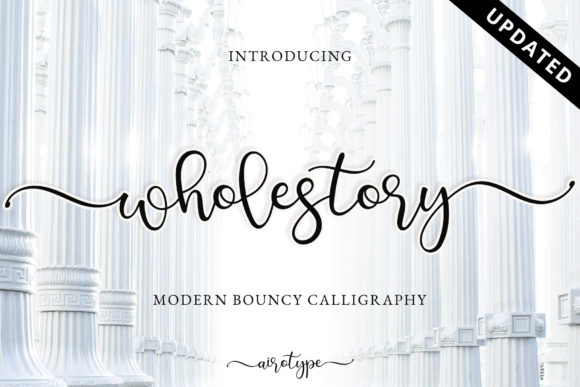
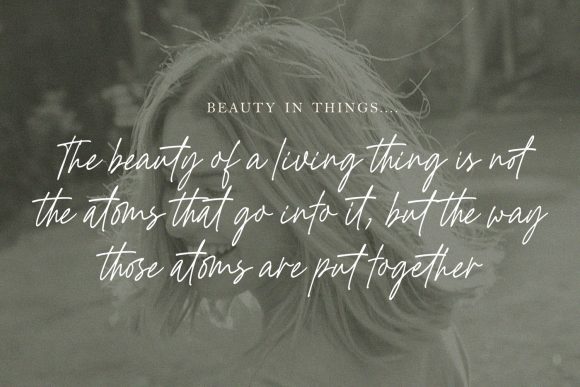
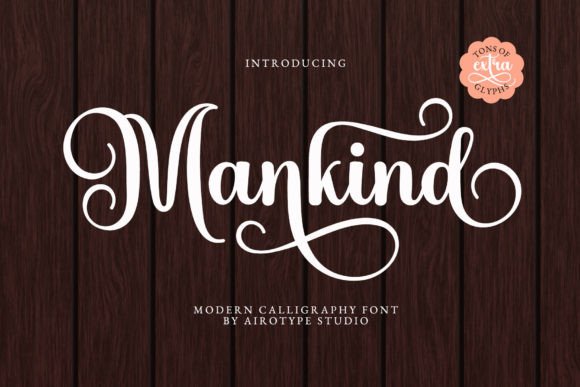
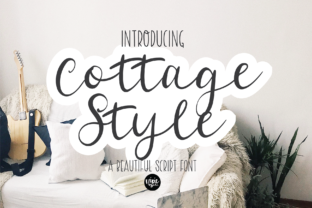
When you first look at Cottage Style, the most immediate characteristic is its fluidity. It mimics the natural variation of a hand-lettered script, where the pressure of the pen creates varying stroke weights. Unlike rigid calligraphy, this typeface feels relaxed and approachable. It features soft edges and a slight bounce in the baseline, giving it a lively rhythm that feels organic rather than mechanical. This quality makes it an exceptional choice for projects that require a human touch. It avoids the illegibility issues that plague many overly swashed script fonts, maintaining a clarity that is essential for modern typography.
The personality of this font is inherently romantic and nostalgic, yet it carries a contemporary edge. It sits comfortably between a rustic aesthetic and a sophisticated brand identity. Whether you are designing for a high-end wedding planner or a local organic farm, the font adapts to the context. It is versatile enough to feel cozy and welcoming, yet stylish enough to look professional. For anyone building a visual identity, Cottage Style provides that crucial element of "imperfection" that makes a design feel handcrafted and bespoke.
Strategic Applications: From Branding to Packaging
The utility of a creative font like Cottage Style extends far beyond simple decoration. In the realm of logo design, it serves as a powerful tool for businesses that want to project an image of care, tradition, or artisanal quality. A bakery, a boutique clothing line, or a wellness retreat can use this typeface to instantly communicate their values without saying a word. However, context is everything. While it works beautifully for a logo, it might not be the best choice for the body text of a legal contract.
In packaging design, this font shines by creating immediate shelf appeal. Consumers often associate handwritten typography with small-batch production and attention to detail. Using Cottage Style on a jam jar label or a candle box can elevate the perceived value of the product. It suggests that a real person was involved in the creation process. Similarly, in the digital space, this font is a fantastic asset for social media graphics. In a feed filled with bold, blocky sans serifs, a delicate script font can stop the scroll and draw the eye, particularly for quotes, announcements, or sale headers.
For the publishing and stationery industry, the applications are endless. It is a go-to font for wedding invitations, save-the-dates, and thank you cards. The elegance of the script sets a celebratory tone immediately. For bloggers and content creators, using Cottage Style for pull quotes or chapter headers in editorial design can break up the monotony of long-form text, providing visual rest points that keep the reader engaged.
Mastering Font Pairings and Hierarchy
A common pitfall for less experienced designers is using a script font for everything. Cottage Style is a display font, meaning it is designed to be used at larger sizes for headings and titles. To create a professional visual hierarchy, you must pair it with something more grounded. Because Cottage Style has a lot of movement and personality, it benefits from a quiet partner.
A clean, geometric sans serif font is often the perfect companion. The simplicity of the sans serif allows the beauty of the script to take center stage without competing for attention. Alternatively, pairing it with a sturdy serif font can create a classic, timeless look often seen in magazine publishing. When testing font pairings, pay attention to the x-height and the overall "color" of the text blocks. You want a contrast that feels harmonious, not jarring.
Readability is paramount. While Cottage Style is legible for headers, using it for long paragraphs of body copy would be a mistake. The eye tires quickly when reading connected script letters in large blocks. Instead, use it to highlight key information. Let it be the voice of the headline, while your secondary font handles the details. This approach ensures your design remains accessible while retaining that sought-after handmade charm.
Practical Considerations for Professional Use
Before integrating any premium font into your workflow, practical due diligence is necessary. First, always review the licensing. If you are a small business owner selling products, you need a commercial license that covers the sale of goods. Many designers purchase a standard license only to realize later it doesn't cover merchandise. Ensure the font files include all necessary formats (like OTF and TTF) for compatibility across different software, from Adobe Illustrator to web builders.
Furthermore, explore the full character map of Cottage Style. High-quality fonts often include stylistic alternates, ligatures, and swashes. These features allow you to customize the letterforms, ensuring that connecting letters look natural rather than repetitive. For instance, you might want a specific capital letter to have a long tail for a logo, but a shorter tail for a headline. Taking the time to explore these OpenType features will make your typography look truly custom.
Finally, consider the medium. Cottage Style performs exceptionally well in print, but screen rendering can sometimes be tricky with thin script strokes. Always test the font on various devices and screen resolutions if you are using it for web design. You may need to increase the font size or adjust the letter spacing (tracking) to ensure it remains crisp on mobile devices.
Elevating Your Creative Projects
Ultimately, typography is about communication. Cottage Style communicates warmth, sincerity, and creativity. It is a typeface that invites the viewer in, making them feel like they are part of an exclusive, intimate experience. Whether you are a crafter designing a personal project or a marketer building a global brand identity, this font offers a way to humanize your digital presence.
By using Cottage Style strategically—respecting its limitations and leveraging its strengths—you can create designs that resonate emotionally with your audience. It proves that even in a high-tech world, the handcrafted aesthetic remains one of the most powerful tools in a designer's arsenal. Use it to add soul to your next project, and watch how a simple change in typeface can transform the entire narrative of your design.