Reindeer: The Minimal Sans Serif for Standout Design
Understanding Reindeer’s Clean Aesthetic
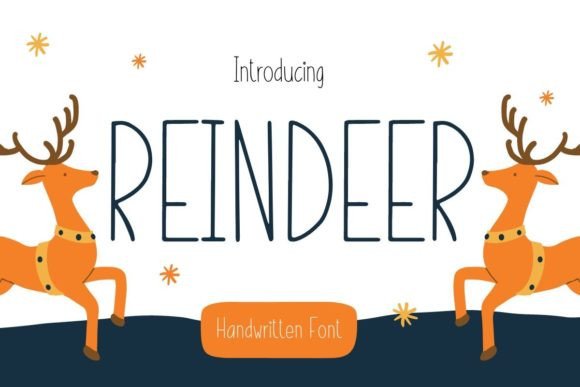
In a design landscape often crowded with ornate scripts and heavy display fonts, there's a distinct need for clarity and precision. This is where Reindeer steps in. It is a sans serif font defined by its minimal, skinny, and neat construction. Unlike generic sans serifs that can feel cold or industrial, Reindeer offers a touch of personality without sacrificing readability. It acts as a quiet workhorse, providing a modern foundation for text while maintaining a distinct, airy quality. If you are looking for a typeface that balances professionalism with creative flair, understanding Reindeer's visual structure is the first step toward elevating your projects.
Visually, Reindeer is characterized by its uniform stroke width and open letterforms. The "skinny" aspect of the font refers to its condensed nature; it occupies less horizontal space than standard fonts, allowing you to fit more information into a line without it looking cramped. This makes it an excellent candidate for editorial design where column width is at a premium. However, do not mistake "skinny" for weak. When set at larger sizes for logo design or headlines, Reindeer’s sharp edges and clean geometry create a striking visual impact. It avoids the robotic feel of some geometric sans serifs by incorporating subtle curves that soften the overall appearance, making it feel approachable yet sophisticated.
Real-World Applications: From Branding to Personal Crafts
The true value of a premium font lies in its versatility. Reindeer excels across a spectrum of mediums, proving itself as more than just a display font. For entrepreneurs and small business owners, consistency is key to building a recognizable brand identity. Reindeer’s neutrality allows it to adapt to various brand voices—whether you are a tech startup needing clean web design typography or a lifestyle brand requiring elegant packaging design. Its ability to remain legible at small sizes makes it perfect for the fine print on product labels, legal disclaimers, and contact information, while its stylish character shines in headers and slogans.
For the creative community—designers, bloggers, and crafters—Reindeer offers a fresh canvas. Imagine applying this font to greeting cards. A handwritten font might be too casual, and a standard serif might be too formal, but Reindeer strikes the perfect middle ground. It brings a neat, personalized touch to invitations, thank you notes, and holiday correspondence. Similarly, for note-taking applications or digital planners, its skinny profile means you can write more on a page without visual clutter. It is also a fantastic addition to social media graphics. In the fast-scrolling environment of Instagram or Pinterest, Reindeer ensures your message is delivered instantly and clearly, cutting through the noise with its minimalist aesthetic.
Design Mechanics: Hierarchy, Pairing, and Readability
When integrating Reindeer into your design workflow, thinking about visual hierarchy is essential. Because Reindeer is a skinny font, it creates significant white space around the letters. This "breathing room" naturally draws the eye, making it an effective tool for creating focus. To leverage this, use Reindeer for your primary call-to-action or main headline, and pair it with a denser font for body text. This contrast creates a dynamic layout that guides the reader's eye from the most important element to the supporting content.
Speaking of pairings, Reindeer is a team player. It works exceptionally well with a traditional serif font. The structural difference between the ornate serifs and the clean lines of Reindeer creates a pleasing visual rhythm. Alternatively, pairing it with a script font can yield a romantic, modern look suitable for wedding invitations or boutique branding. However, avoid pairing it with other ultra-thin sans serif fonts, as this can make the layout feel fragile and washed out. When evaluating font pairing, always test how the x-heights align; Reindeer’s proportions generally play well with standard serif metrics, ensuring a cohesive look in paragraphs.
Practical Guidance for Implementation
Before fully committing Reindeer to a large-scale commercial project, take the time to test its performance. One of the most common pitfalls in modern typography is prioritizing style over function. While Reindeer looks stunning in mockups, you must verify its legibility on various devices. Test it on mobile screens, tablets, and desktop monitors. Does the "skinny" nature of the font render clearly at 14px? If the font thins out too much on low-resolution screens, consider using a slightly heavier weight for body copy or reserving Reindeer exclusively for headlines.
Furthermore, pay attention to licensing and file formats. As a commercial font, Reindeer comes with specific usage rights. Ensure that your license covers the specific applications you intend to use, such as web design (requiring WOFF/WOFF2 files) or physical merchandise. Reviewing the included styles is also a practical step; check if the font family includes bold or italic variations. If you are using it for editorial design, you will need these variations to emphasize key points within long-form articles. Ultimately, treating Reindeer not just as a visual asset but as a functional component of your design assets library will ensure your creative ideas stand out with professionalism and clarity.