Vanderlin: A Retro Script Font with Timeless Character
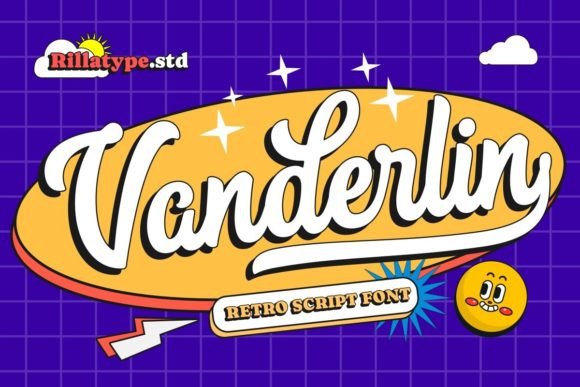
There’s a certain magic in a font that feels both familiar and fresh. Vanderlin is exactly that—a premium script font that captures the spirit of mid-century typography with a refined, contemporary touch. Its flowing letterforms, graceful swashes, and thoughtfully designed alternates make it more than just a typeface; it’s a design asset with genuine personality. For anyone building a brand, crafting a poster, or designing packaging, Vanderlin offers a bridge between nostalgia and modernity, giving projects a distinct voice that stands out in a crowded visual landscape.
Understanding Vanderlin’s Visual Personality and Appeal
At its core, Vanderlin is a display script font, meaning it’s crafted for impact rather than long-form text. Its strokes have a natural, hand-lettered quality—imagine a skilled calligrapher’s pen with a slight brush texture. The default characters are elegant and slightly condensed, giving it a sense of movement and rhythm. But where Vanderlin truly shines is in its alternate glyphs and ligatures. Swirling capitals, decorative tails, and stylistic sets allow you to customize words, turning simple phrases into visual statements. This flexibility makes it a creative font that adapts to different moods, from romantic and whimsical to bold and professional.
The font’s retro character isn’t about being dated; it’s about evoking warmth and authenticity. It recalls vintage signage, classic packaging, and editorial headlines from the 1950s and 60s, yet its clean construction ensures it feels relevant today. This duality makes Vanderlin a versatile tool for projects that need to convey heritage, craftsmanship, or a touch of human touch. It’s not a font that shouts; it speaks with confidence and charm, making it ideal for designs where personality and readability must coexist.
Where Vanderlin Truly Shines: Practical Applications
Knowing where a font works best is key to using it effectively. Vanderlin excels in contexts where you want to create an emotional connection or a strong visual hierarchy. Here’s a practical breakdown of its ideal uses:
- Logo Design and Brand Identity: For brands that want to convey authenticity, artisanal quality, or a vintage aesthetic, Vanderlin makes an excellent choice. Think craft breweries, boutique bakeries, independent bookshops, or lifestyle brands. Its unique letterforms help create memorable logos that feel personal and timeless.
- Packaging and Label Design: On product packaging, Vanderlin adds immediate shelf appeal. It works beautifully for gourmet foods, cosmetics, wine labels, or any product where story and quality matter. The font’s elegance elevates packaging, making it feel premium and carefully considered.
- Editorial and Print Design: Use Vanderlin for headlines in magazines, book covers, or event posters. It draws the eye and sets the tone instantly. Pair it with a clean sans serif font for body text to maintain readability while letting Vanderlin handle the artistic flair.
- Digital and Social Media Graphics: In the fast-paced world of social media, a distinctive font can stop the scroll. Vanderlin works well for Instagram quotes, promotional banners, website headers, and email marketing graphics. Its character helps content feel more crafted and less generic.
- Personal and Creative Projects: From wedding invitations and greeting cards to personal blogs and hobby crafts, Vanderlin brings a professional touch to DIY projects. It’s a font that makes even simple designs look polished and intentional.
Choosing and Using Vanderlin: A Designer’s Perspective
Selecting a font is a strategic decision. Vanderlin isn’t for every project—and that’s a good thing. Its strength lies in specific contexts. Before committing, ask yourself: Does my project need a handwritten or script font? Am I aiming for a vintage, elegant, or artisanal feel? Will the font be used primarily for headlines or short text? If you answered yes, Vanderlin is worth exploring.
A critical step is testing font pairings. Because Vanderlin is a display font with high personality, it pairs best with simple, neutral companions. A classic serif font like Times New Roman or a geometric sans serif font like Helvetica or Montserrat can provide balance. Avoid pairing it with other decorative fonts, as this can create visual clutter. Always test your pairing in context—see how the combination looks on a mockup of your actual project, whether it’s a business card, a website hero section, or a product label.
Pay attention to the font’s included styles. Many premium fonts like Vanderlin come with multiple weights, stylistic alternates, and OpenType features. Take the time to explore these options in your design software. Using a swash on a capital letter or a ligature for “th” or “st” can add a custom, professional touch that elevates your work. Remember that readability is paramount. Vanderlin is best used at larger sizes for headings or logos. For body text, always choose a highly legible serif or sans serif font to ensure your message is clear.
Finally, consider licensing. If you’re using Vanderlin for client work, merchandise, or digital products, ensure you have the appropriate commercial license. Reputable foundries and marketplaces provide clear licensing terms, so you can use the font with confidence across all your projects.
In the end, Vanderlin is more than a typeface—it’s a design partner that brings warmth, character, and a touch of nostalgia to your work. By understanding its strengths and applying it thoughtfully, you can create designs that resonate deeply with your audience and stand the test of time.